
La Jolla Airbnb Regulations 2026: Full STRO Compliance Guide
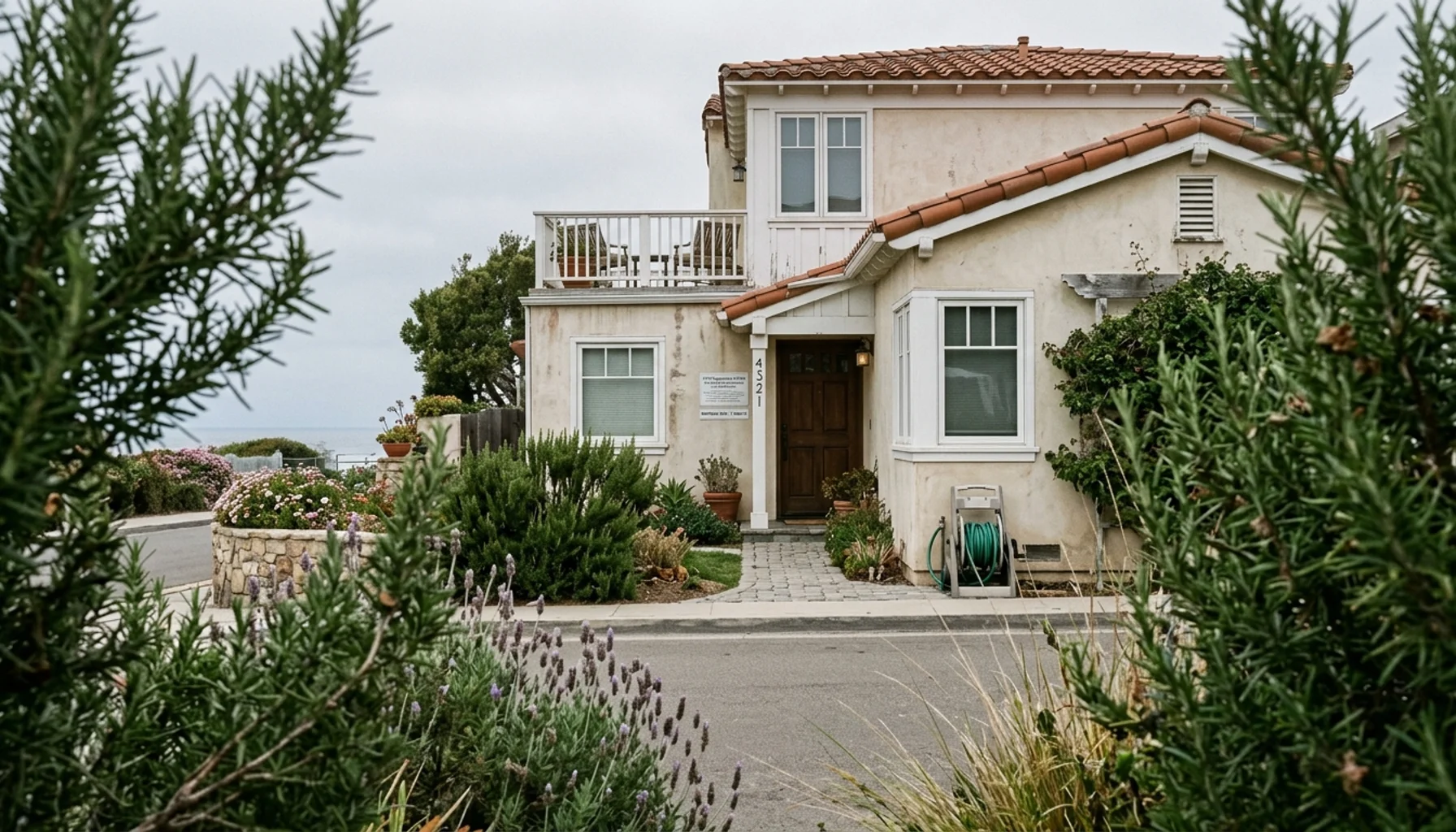
A licensed short-term rental in La Jolla, subject to the city's STRO Tier 3 rules.
Airbnb regulations in La Jolla are not a separate local ordinance. La Jolla properties fall under the City of San Diego's Short-Term Residential Occupancy (STRO) ordinance, which requires an STRO license for any rental booked for less than 30 days. At West Coast Homestays, we manage coastal short-term rentals across San Diego County, and La Jolla owners consistently ask the same question first: which of the four STRO tiers actually applies to their property. The answer depends on how many days a year the owner rents, whether the owner lives onsite, and whether the unit sits inside the Mission Beach Community Planning Area.
Key Takeaways
La Jolla short-term rentals are governed by the City of San Diego's STRO ordinance, not a standalone La Jolla permit program, and operating without a license became unlawful on May 1, 2023.
La Jolla had 1,398 listings fitting the city's STR definition out of 1,448 total active listings, according to the City of San Diego's short-term rental market report.
Most non-owner-occupied La Jolla whole-home rentals fall under Tier 3, which requires a two-consecutive-night minimum stay and does not cap total annual rental days the way Tier 1 does.
Before applying for an STRO license, hosts need an active Transient Occupancy Tax (TOT) Certificate and a Rental Unit Business Tax account in good standing.
2026 La Jolla average annual STR revenue is estimated at $54,670, with occupancy estimates ranging from 43% to the high 50s/low 60s depending on the data source, and an average daily rate near $308.
San Diego STRO licenses run for two years and require an active listing disclosure showing both the license number and TOT number for any stay of 1 to 30 days.
For anyone who bought a condo near the Cove or a single-family home in Bird Rock expecting to list it on Airbnb by next weekend, the compliance runway is longer than most sellers admit. A TOT Certificate must come first, followed by a Rental Unit Business Tax account, and then a completed STRO application through the city's Accela portal. Skipping a step can get the application rejected outright.
This guide walks through the tier system, the application sequence, the fees, and the enforcement risk in the order a La Jolla owner actually needs it, referencing 2026 data on La Jolla's rental performance and the current city ordinance. The guide also flags where commercial guides get sloppy about which rules apply to Mission Beach versus La Jolla, since that mix-up is the most common source of confusion new owners encounter.
Are Airbnb Rentals Legal in La Jolla, California?
Yes, Airbnb rentals are legal in La Jolla as long as the host holds a valid STRO license issued by the City of San Diego. La Jolla is a neighborhood within the city, so La Jolla does not have its own separate short-term rental law. Instead, La Jolla operates under the same ordinance that governs Pacific Beach, North Park, and every other San Diego neighborhood outside Mission Beach's special tier.
The City of San Diego's Short-Term Residential Occupancy (STRO) page defines STRO as occupancy of a dwelling unit, or part of one, for less than one month. Operating without a license has been unlawful since May 1, 2023, and the city has been actively enforcing that requirement since. As of 2026, San Diego's short-term rental market report counted 1,398 La Jolla listings that fit this legal definition out of 1,448 total active listings in the neighborhood, a share above 96%.
Legal status, however, does not mean unrestricted operation. La Jolla properties still need to clear tier eligibility, tax registration, and posted disclosures before a listing can accept bookings. As a result, skipping any of those steps turns a legal rental into a cited violation.
What Are the STRO License Tiers, and Which One Applies to La Jolla?
STRO license tiers are four categories San Diego uses to classify short-term rentals based on annual rental days, primary-residence status, and geographic location. Tier 1 and Tier 2 cover home-sharing where the host lives onsite; Tier 3 and Tier 4 cover whole-home rentals where the owner does not reside in the unit. For most La Jolla properties, Tier 3 is the applicable category.
Tier 1 applies to home-share or whole-home STRO capped at an aggregate 20 days or fewer per calendar year, and the host doesn't need to reside onsite for this tier. Tier 2 applies to home-share rentals exceeding 20 days a year, but only within the host's primary residence, and the host must occupy that residence for at least 275 days of the year, according to the City's Get It Done FAQ.
Tier 3 is the tier most La Jolla owners land in: whole-home STRO outside the Mission Beach Community Planning Area, rented more than 20 days per year, where the owner or a permanent resident does not live onsite. Tier 4, in contrast, is reserved specifically for Mission Beach and does not apply to La Jolla properties at all, a distinction several commercial guides blur together.
Tier 3 requires a two-consecutive-night minimum stay per booking. A host may hold only one STRO license at a time and cannot operate more than one STRO dwelling unit simultaneously; licenses are not transferable between owners, locations, or units. Check the What are Short-Term Rental Occupancy (STRO) Tiers? FAQ directly for the current tier definitions before applying.
- Who It Covers
- Tier 1: Home-share or whole-home, 20 days/year or fewer
- Tier 2: Home-share, more than 20 days/year, primary residence only
- Tier 3: Whole-home, more than 20 days/year, outside Mission Beach CPA
- Tier 4: Whole-home, more than 20 days/year, Mission Beach CPA only
- Tier 1: No
- Tier 2: Yes, 275+ days/year
- Tier 3: No
- Tier 4: No
- Tier 1: None specified for this tier
- Tier 2: None specified for this tier
- Tier 3: 2 consecutive nights
- Tier 4: 2 consecutive nights
Most La Jolla owners who bought specifically for short-term rental income, rather than to house-hack a room, will file under Tier 3. If a Bird Rock or La Jolla Shores property sits outside the Mission Beach boundary, which it does by definition, Tier 4 never applies regardless of what a generic guide implies.
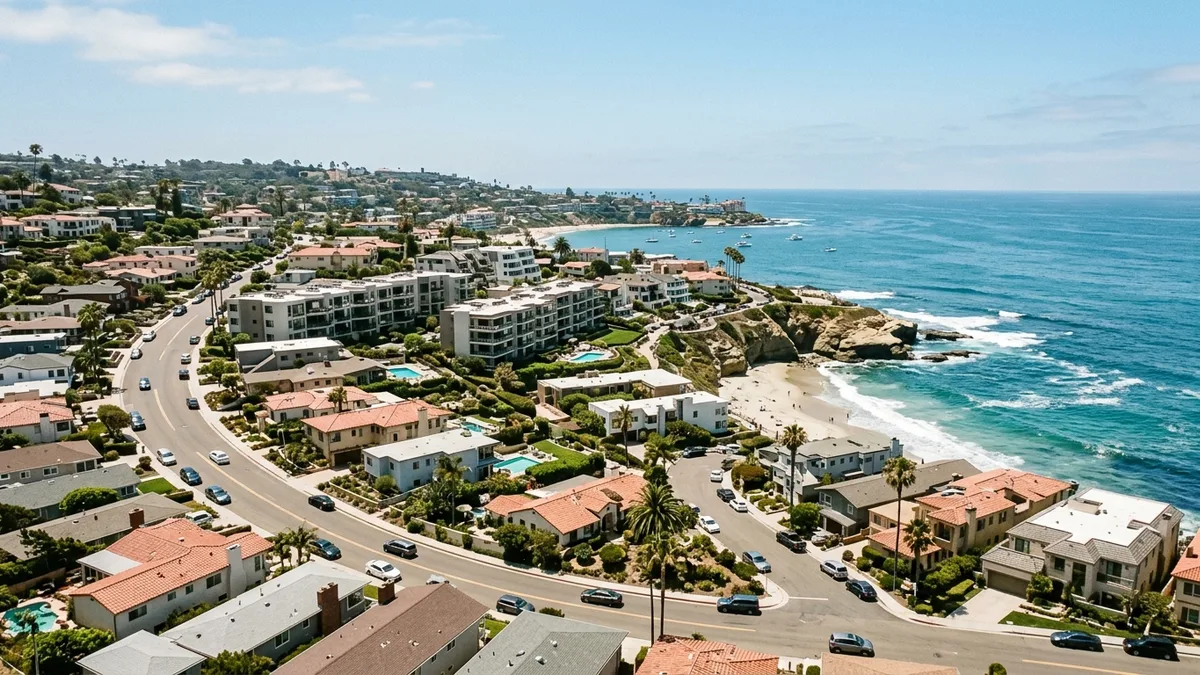
STRO license tiers determining airbnb regulations La Jolla eligibility
What Is San Diego's Short-Term Rental Ordinance, and How Does TOT Registration Work?
San Diego's short-term rental ordinance, formally Municipal Code Chapter 5, Article 10, requires every host renting a dwelling for less than one month to hold both an STRO license and an active Transient Occupancy Tax (TOT) Certificate. The TOT Certificate must exist before a host can even begin the STRO application, since the city verifies tax registration as a prerequisite.
The process starts with TOT registration through the Transient Occupancy Registration System, which the City's Rental Tax Frequently Asked Questions page confirms applies to houses, condos, rooms, and spaces rented directly, through a property manager, or through an internet travel platform like Airbnb or VRBO. Hosts also need a Rental Unit Business Tax (RUBT) account in active, paid status; account status can be confirmed through the OpenData Rental Unit Business Tax (RUBT) Account Lookup.
La Jolla hosts effectively juggle two parallel obligations: the STRO license that governs whether the rental can legally operate, and TOT/RUBT compliance that governs tax remittance. The full legal text lives in the Article 10: Short-Term Residential Occupancy and Hosting Platforms ordinance PDF for owners who want to verify specific language themselves. Owners who skip the tax side because they've secured the STRO license often get flagged later during the city's periodic compliance sweeps, since the two systems are cross-checked against each other.
How Do I Apply for a San Diego STRO License in La Jolla?
Applying for a San Diego STRO license in La Jolla involves five sequential steps: confirm parcel and prerequisites, submit through the Accela portal, upload required documents, pay the application fee, and post required disclosures once approved. Following this order matters, since submitting out of sequence is a common reason applications get rejected.
Register for a TOT Certificate through the Transient Occupancy Registration System and confirm your Rental Unit Business Tax account is active and paid.
Confirm your parcel number with the San Diego County Assessor, and verify your property sits within a City of San Diego Council District using the City of San Diego Council District Map.
Check whether any open code enforcement complaints exist against your address using the Check Code Enforcement Complaints Against Your Property tool, since an open complaint can delay or block approval.
Submit your application through the Apply for an STRO License (Accela Portal), selecting the correct tier and uploading TOT and RUBT confirmation documents.
Pay the applicable application fee and, once approved, post the STRO license number on every listing platform and display the required Good Neighbor Policy inside the unit.
The STRO License Application FAQs confirms which tiers currently accept new applications, since Tier 4 in Mission Beach has periodically closed to new applicants due to a cap. La Jolla owners applying for Tier 3 generally have not faced that same cap, but current availability should be confirmed before investing in furnishing a property that isn't yet licensed. The City's own STRO License Application Video (Official City of San Diego) walks through the Accela interface step by step as an alternative to the written FAQ.
Application fees for Tier 1/Tier 2 and Tier 3/Tier 4 have historically differed, with Tier 3 and Tier 4 running higher. Because the city updates its fee schedule periodically, the exact current dollar amount should be confirmed directly on the city's official STRO fee page rather than relying on any third-party figure.
What Are the Restrictions on Airbnb in San Diego?
San Diego restricts Airbnb operation through four main mechanisms: occupancy-based licensing tiers, minimum-stay rules, a single-license-per-host limit, and posted disclosure requirements. Every host is limited to one active STRO license at a time and cannot operate more than one STRO dwelling unit simultaneously, which prevents an individual from quietly running an unlicensed portfolio under a single account.
Tier 3 and Tier 4 properties require a two-consecutive-night minimum stay per booking, ruling out single-night bookings entirely for whole-home La Jolla rentals. In addition, the ordinance bars RVs, camper vans, tents, sheds, and tree houses from use as short-term rentals.
Listing disclosure is non-negotiable: Airbnb's San Diego Help Center guidance states that any listing for stays of 1 to 30 days must display both the STRO license number and the TOT number directly on the listing. Stays of 31 days or longer don't require a license or tax number to publish, which is why some La Jolla owners lean into mid-term stays during slower months. For example, AirDNA's La Jolla data shows that 35.9% of listings already require a minimum stay of 30-plus nights.
Licenses are valid for two years and must be renewed before expiration; Airbnb notes the city typically sends a courtesy reminder around 60 days ahead. As a result, La Jolla hosts need a calendar reminder of their own, since a lapsed license is treated the same as never having one.
What Is the 80/20 Rule for Airbnb?
The 80/20 rule is informal shorthand used in some STRO discussions to describe the Tier 1 threshold, where a property owner can rent a whole home or a shared space for an aggregate of 20 days or fewer per calendar year without the stricter onsite-residency or minimum-stay requirements that apply to higher tiers. Once annual rental days cross that 20-day line, San Diego pushes the property into Tier 2 (if it's the owner's primary residence) or Tier 3 (if it isn't).
This threshold matters most for La Jolla owners who split time between a vacation home and short-term guests. For example, an owner who only rents a La Jolla condo occasionally, say during La Jolla Concours d'Elegance week or a summer sublet while traveling, can stay under 20 days a year and remain in the lighter-touch Tier 1 category. Cross that line, however, and Tier 3 compliance applies: the two-night minimum and full disclosure requirements that govern whole-home tiers.
Importantly, "80/20" is not an official name used by the City of San Diego itself; it's shorthand that's grown up around the 20-day cutoff. Specific day counts and tier status should be confirmed against the official STRO Tiers FAQ rather than relying on the nickname alone.
What Are the Laws and Requirements for Short-Term Rental in La Jolla?
Short-term rental law in La Jolla requires an STRO license matched to the correct tier, an active TOT Certificate, a paid Rental Unit Business Tax account, and posted in-unit disclosures including the Good Neighbor Policy. As of 2026, these requirements apply uniformly across La Jolla neighborhoods, from La Jolla Village to Bird Rock to La Jolla Shores, since the ordinance operates citywide rather than block by block.
The STRO Host Requirements Checklist (Official PDF) outlines ongoing obligations after license approval: maintaining local contact information the city can reach, keeping the Good Neighbor Policy visibly posted, and displaying license and TOT numbers on every listing. The STRO Good Neighbor Policy (Official PDF) covers noise, parking, and trash obligations that hosts must communicate to guests directly, since complaints about these issues are a common enforcement trigger.
Commercial guides also mention a 90-day annual minimum rental requirement and quarterly reporting for Tier 3 and Tier 4 hosts, along with a STRO Host Requirements Video (Official City of San Diego) and a How to Submit Quarterly Reports Video (Official City of San Diego) that walk through the reporting mechanics. Because these operational details shift, the current 90-day and quarterly reporting requirements should be verified directly against the city's own instructions rather than a third-party guide.
At West Coast Homestays, we handle this entire compliance sequence for our La Jolla clients, from initial TOT registration through ongoing quarterly reporting, because a single missed renewal or misfiled report can suspend a listing during peak summer booking season, when La Jolla occupancy tends to climb well above its winter lows.
Can I Stop My Neighbor from Having an Airbnb?
A neighbor generally cannot be stopped from operating a licensed Airbnb in La Jolla, though anyone can report suspected violations if the operation appears unlicensed or is violating the Good Neighbor Policy. San Diego's STRO ordinance is a citywide licensing system, not a neighbor-approval process, so a properly permitted Tier 3 rental remains legal regardless of adjacent homeowner objections.
If a rental nearby appears to be operating without a valid STRO license, or is violating posted noise, parking, or occupancy rules, a report can be filed using the city's Submit an STRO Violation Online tool. Whether a specific address holds an active license can also be verified using the Active STRO Licenses Open Data Portal or the visual Active STRO License Map (ArcGIS) before filing a complaint.
Homeowners associations, however, are a separate layer entirely. Some La Jolla condo buildings and planned communities restrict or ban short-term rentals through their own CC&Rs, independent of city law. For anyone buying specifically to run a short-term rental, the HOA governing documents should be read before closing, since a legally STRO-licensed property can still be shut down by an HOA violation notice that has nothing to do with the city ordinance.
How Do You Verify an Active STRO License Before Buying or Managing a La Jolla Property?
Verifying an active STRO license means checking a specific address against the city's official license dataset before assuming a property is compliant or taking over management of an existing listing. This step matters most for buyers purchasing an existing short-term rental, since a license does not automatically transfer with the sale, and for out-of-state owners who inherited a property manager's compliance claims without confirming them directly.
The STRO License Data Set is updated regularly, with the most recent update noted as of April 2026 at the time of this writing, and lets users search by address or license number. Importantly, licenses are non-transferable between owners, locations, or dwelling units, so a previous owner's license dies at closing regardless of how recently it was issued.
This is a step West Coast Homestays builds into every new client onboarding: before taking on management of a La Jolla property, the STRO license status, TOT registration, and RUBT account are confirmed independently, rather than relying on the seller's or previous manager's word. It's a fast check that has caught more than one lapsed license before it became the new owner's problem.

Verifying STRO license compliance for airbnb regulations La Jolla properties
What Does the La Jolla Short-Term Rental Market Look Like in 2026?
La Jolla's short-term rental market in 2026 shows strong seasonal swings, premium pricing relative to other San Diego neighborhoods, and a growing mid-term rental segment. Market data puts La Jolla's average annual revenue near $54,670 per listing, with an average daily rate around $308. Occupancy estimates diverge by source: one dataset puts annual occupancy at 43%, while other market summaries place it in the 58% to 63% range, so any single occupancy figure should be treated as directional rather than exact.
Seasonally, La Jolla occupancy peaks around 61% during June through August and drops to just 22% during December through February, a swing that shapes cash flow planning far more than most first-time hosts expect. Average daily rates follow the same pattern, ranging from $257 in low season up to $358 during peak months.
Bedroom count drives revenue significantly: one-bedroom La Jolla listings average $35,233 in annual revenue, two-bedroom listings average $55,946, and three-bedroom listings reach $82,599. For comparison, AirDNA reports San Diego citywide occupancy around 71% for the broader February 2026 through January 2026 period, a useful benchmark since it shows La Jolla's tighter, higher-end market behaves differently than the citywide average.
- La Jolla (2026)
- Annual Occupancy: 43% per one source; other sources cite 58-63%
- Average Daily Rate: $308 annual average
- Peak Season Occupancy: 61% (June-August)
- Low Season Occupancy: 22% (December-February)
- Annual Occupancy: 71%
- Average Daily Rate: $253
- Peak Season Occupancy: Not broken out separately
- Low Season Occupancy: Not broken out separately
Static pricing during summer weekends is one of the most common ways La Jolla hosts leave money on the table, especially given the gap between $257 low-season and $358 peak-season rates. Owners who instead lean into the mid-term rental segment, where AirDNA already shows 35.9% of La Jolla listings requiring 30-plus night stays, often smooth out that steep winter occupancy drop rather than sitting on empty calendar nights.
Best Airbnb Property Management Companies in La Jolla
The best La Jolla Airbnb property management approach combines local STRO compliance expertise with active revenue management. West Coast Homestays operates across San Diego's coastal neighborhoods, including La Jolla, Pacific Beach, Mission Beach, Encinitas, Carlsbad, Del Mar, and Oceanside, and manages the full compliance and tax registration sequence outlined above for every property it takes on, alongside dynamic pricing calibrated to La Jolla's specific seasonal swings.
What differentiates West Coast Homestays from a generic listing service is pairing hands-on compliance work (TOT registration, RUBT verification, STRO tier selection) with active revenue management built around real seasonal data like the 61% peak-summer occupancy pattern documented above. Because La Jolla's winter occupancy drops as low as 22%, West Coast Homestays frequently structures hybrid STR and mid-term rental strategies for La Jolla owners to fill those gap months rather than accepting empty nights as unavoidable.
Other property management options exist in the San Diego market, including national platforms and regional firms, and it's reasonable to compare services, pricing transparency, and local compliance depth before choosing a partner. A useful comparison framework asks: does the company handle STRO licensing and renewal directly, does it provide transparent owner reporting, and does it actively adjust pricing for documented seasonal swings rather than relying on a single automated tool left uncalibrated? For a deeper look at management fee structures across the region, the San Diego property management cost guide breaks down what full-service versus co-hosting pricing typically covers.
Practical Compliance Checklist for La Jolla Hosts
A practical compliance checklist is a step-by-step sequence La Jolla hosts can follow to keep an STRO application from stalling on a missed prerequisite. Working through these items in order, rather than jumping straight to the Accela application, prevents the most common rejection causes described below.
Confirm your parcel number with the San Diego County Assessor and verify your council district.
Register for a TOT Certificate through the Transient Occupancy Registration System.
Confirm your Rental Unit Business Tax account is active and current on payments.
Check for open code enforcement complaints against the property address.
Determine your correct tier: Tier 1 for 20 days or fewer, Tier 2 for primary-residence home-sharing over 20 days, Tier 3 for whole-home rentals outside Mission Beach.
Submit your application through the Accela portal with all supporting documents.
Post the Good Neighbor Policy and STRO license number inside the unit once approved.
Display your STRO license number and TOT number on every listing platform, including Airbnb and VRBO.
Calendar your two-year renewal date and watch for the city's courtesy reminder around the 60-day mark.
Common mistakes include owners who furnish and photograph a property before confirming TOT registration is complete, owners who assume a previous owner's STRO license transfers with the sale, and owners who apply under Tier 1 while already booking more than 20 days a year. Each of these mistakes invites a compliance review once the city cross-checks booking platform data against the license tier on file.
Frequently Asked Questions
How much does Airbnb management cost in La Jolla?
Full-service vacation rental management typically ranges from 15% to 30% of gross booking revenue, while co-hosting arrangements where the owner retains more day-to-day involvement often run 10% to 18%. Exact pricing varies by property type and service scope. Specifics should be confirmed directly with any management company being evaluated, including West Coast Homestays.
What are the rights of a co-host on Airbnb?
A co-host operates under Airbnb's official Co-Host Terms of Service, which define the scope of access and responsibilities a co-host can hold on an existing listing, including calendar management, guest messaging, and pricing adjustments. The specific rights and limitations depend on the permissions the listing owner assigns within the platform.
Should I choose a local San Diego Airbnb manager or a national company like Vacasa or Evolve?
A local San Diego manager is the stronger choice when compliance detail matters as much as pricing strategy for a given property, since local managers bring deeper familiarity with neighborhood-specific STRO tiers, La Jolla's seasonal demand pattern, and direct relationships with local cleaning and maintenance vendors. National companies, in contrast, offer standardized systems across many markets. For La Jolla specifically, where Tier 3 versus Tier 4 confusion and TOT/RUBT prerequisites trip up new owners constantly, local compliance expertise is the stronger deciding factor.
How much does an Airbnb manager cost overall?
Airbnb manager costs generally fall within the same 15% to 30% of gross revenue range cited above for full-service management, with additional line items sometimes charged separately for maintenance markup, onboarding, or design and staging services. A written fee breakdown covering management commission, leasing or onboarding fees, and how maintenance costs are billed should always be requested before signing an agreement.
How much do Airbnb property managers charge for compliance and licensing help?
Compliance and licensing assistance, including STRO tier determination, TOT registration, and RUBT verification, is typically bundled into a full-service management fee rather than billed as a separate line item, though this varies by company. Prospective managers should be asked directly whether STRO application support and ongoing renewal tracking are included within the standard fee or charged as an add-on.
What are the restrictions on Airbnb in San Diego overall?
San Diego restricts short-term rentals to one STRO license per host, caps whole-home tiers to a two-night minimum stay, and requires posted license and TOT numbers on every listing for stays under 31 days. In addition, the city bans RVs, tents, and temporary structures as short-term rentals, and separates Tier 3 rules (most of the city, including La Jolla) from Tier 4 rules (Mission Beach only).
Does La Jolla have its own separate short-term rental permit?
No, La Jolla does not have a separate permit system; La Jolla operates entirely under the City of San Diego's citywide STRO ordinance. Any guide suggesting a standalone "La Jolla permit" is describing the same city process, just applied to properties within the La Jolla neighborhood boundary.
Conclusion: Staying Compliant in La Jolla's STRO System
Airbnb regulations in La Jolla come down to one core fact: every short-term rental operates under San Diego's citywide STRO ordinance, with Tier 3 covering the vast majority of non-owner-occupied whole-home properties in the neighborhood. Getting the sequence right — TOT registration, RUBT account, correct tier selection, then the Accela application — keeps a listing from stalling before it earns a single booking night.
La Jolla's market rewards owners who pair that compliance groundwork with active pricing strategy, given the swing from 22% winter occupancy to 61% peak summer occupancy documented above. Owners who treat licensing as a one-time task rather than an ongoing renewal obligation, and who leave pricing on autopilot through that seasonal swing, consistently leave revenue on the table compared to those who manage both actively.
As 2026 continues, San Diego's enforcement of STRO compliance shows no signs of loosening, and La Jolla's premium coastal positioning means the upside for properly licensed, well-managed properties remains strong.
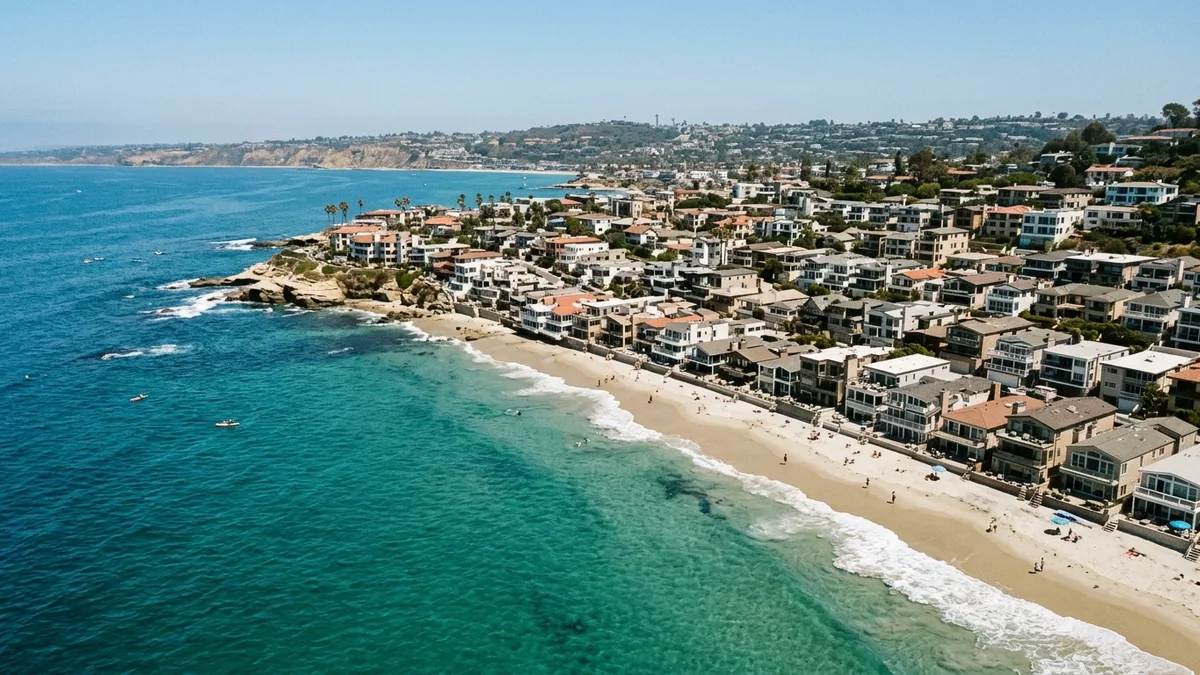
an aerial view of La Jolla's coastline with beachfront properties and turquoise water, bright
If untangling STRO tiers, TOT registration, and renewal deadlines feels like a second job on top of owning your property, West Coast Homestays handles the entire compliance sequence alongside dynamic pricing and guest management for La Jolla owners, backed by results like 80+ properties under management and revenue increases of $121K and counting from dynamic pricing and listing optimization work. Get started with West Coast Homestays to see how your La Jolla property compares to its local comp set.
Content powered by inkSTR.co


